
Flying into Manchester always feels like a small adventure in itself, not merely the start of the trip. The journey begins long before you set foot on the plane—it’s about researching the best routes, choosing the right flight schedule, and preparing for a smooth arrival in England’s industrial and cultural powerhouse. For me, the excitement builds at the booking stage, scrolling through flight times and imagining what it will feel like to step out into the crisp northern air. Manchester is a city with layers: history, music, football, and innovation, and arriving there should set the tone for everything that follows.
But the experience is more than just boarding a plane and touching down. It’s about being strategic—knowing which flights get you into the city at the perfect time, and which ones might leave you bleary-eyed at dawn or stuck in long queues at immigration. It’s about recognizing that the moment you collect your luggage, the trip has already begun, and how you move from the airport into the city can shape your first impression. Will you take the fast train to Piccadilly, catching glimpses of the skyline as you glide in? Or maybe a tram that lets you soak up the suburbs before arriving downtown?
When I booked my latest trip, I promised myself I would take notes. That way, the next traveler—whether it’s your very first visit or your fifth return—can glide into Manchester with confidence, starting the adventure on the right foot.
Booking and Flight Schedules
The first step is choosing your flight wisely. Manchester Airport is one of the busiest in the UK, and with three terminals, it receives flights from across Europe, North America, the Middle East, and beyond. Depending on where you’re flying in from, you’ll notice a big difference in schedules: daytime departures from major European hubs, overnight flights from the US and Asia, and early-morning arrivals that can test your stamina if you haven’t slept on the plane.
When I booked my flight, I noticed a few patterns:
- Transatlantic flights tend to arrive early in the morning, often between 6:00 and 9:00. This timing is great if you want a full first day, but it also means the airport is buzzing with arrivals and passport queues can take a little longer.
- European short-haul flights are scattered throughout the day, with budget airlines like Ryanair and easyJet often offering multiple daily departures from cities like Paris, Amsterdam, Berlin, and Madrid. These flights typically slot into morning and evening peaks, catering to both business travelers and weekend city breakers.
- Middle Eastern connections (from Doha, Dubai, or Abu Dhabi) often land mid-morning or early afternoon, perfect for catching daylight as you head into town.
The sweet spot for me turned out to be a mid-afternoon flight from mainland Europe. Landing at around 4:00 pm, I skipped the early-morning grogginess of overnight flights and also avoided the busiest arrival times. By the time I was on the ground, the airport felt lively but not chaotic.
Arriving at Manchester Airport
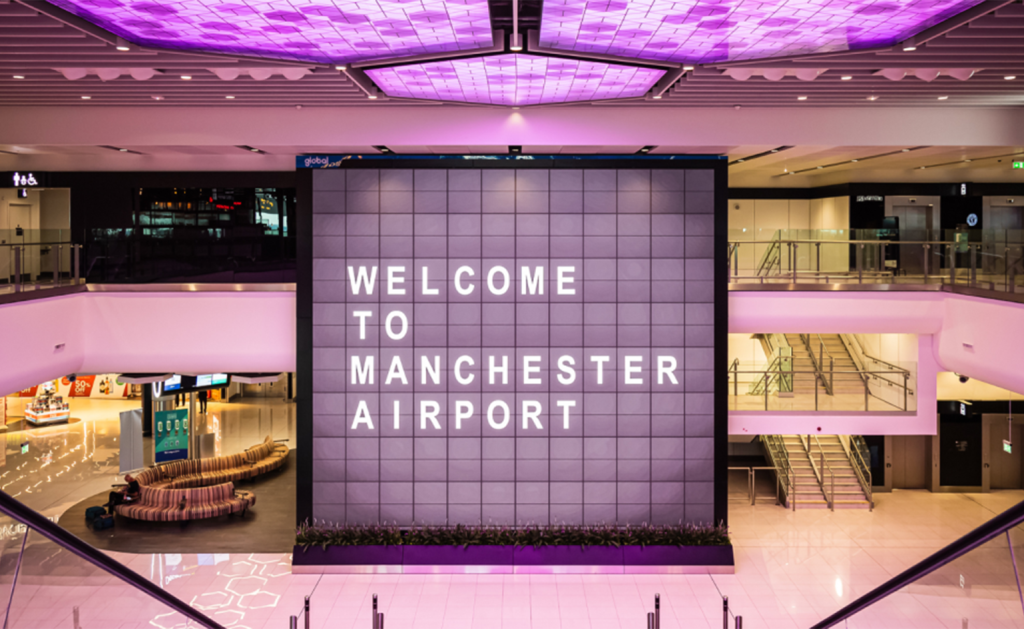
Manchester Airport is not enormous compared to Heathrow or Gatwick, but it’s still large enough to feel overwhelming if you’re jetlagged. With three terminals, the layout can seem a little confusing at first, but the signage is generally clear. My flight landed at Terminal 1, which mainly handles European carriers. Terminal 2 has recently undergone a huge expansion and is the hub for many long-haul services, while Terminal 3 tends to focus on domestic and Irish routes.
What surprised me was how quickly I got through passport control. Automated e-gates for biometric passports keep the lines moving, though if you arrive alongside multiple long-haul flights, you might need to wait a bit. My luggage arrived promptly, and within half an hour of landing, I was stepping into the arrivals hall.
Transport Options into the City
Here’s where the real planning comes in. Manchester Airport is about 15 kilometers south of the city center, and you have multiple ways to get there. I tried out different options during my trip, partly to compare costs and convenience.
1. The Train
For most travelers, the train is the golden ticket. The airport has its own station, connected via a short walkway from all three terminals. Trains to Manchester Piccadilly—the city’s main station—run every 10 to 20 minutes, and the ride takes about 20 minutes.
I hopped on the train late in the afternoon, and it was quick, smooth, and relatively inexpensive. One tip: book your ticket in advance through the Trainline app or Northern Railway’s website. While walk-up fares aren’t outrageous, booking ahead can save you a couple of pounds. Also, avoid peak commuter hours if possible, as the carriages can get busy with office workers heading home.
2. The Metrolink Tram
If you’re staying in areas like St. Peter’s Square, Deansgate, or MediaCityUK, the Metrolink tram can be a convenient option. The Airport Line runs directly from the airport to Cornbrook, where you can connect to lines serving most parts of the city. The ride takes about 45 minutes, making it slower than the train, but the advantage is that the tram stops at many central locations, saving you from hauling luggage through the train station.
I took the tram on my second day just to try it out, and while it was slower, I appreciated the more scenic journey. Watching the suburban neighborhoods pass by gave me a sense of the city’s rhythm before diving into the buzz of the center.
3. Buses and Coaches
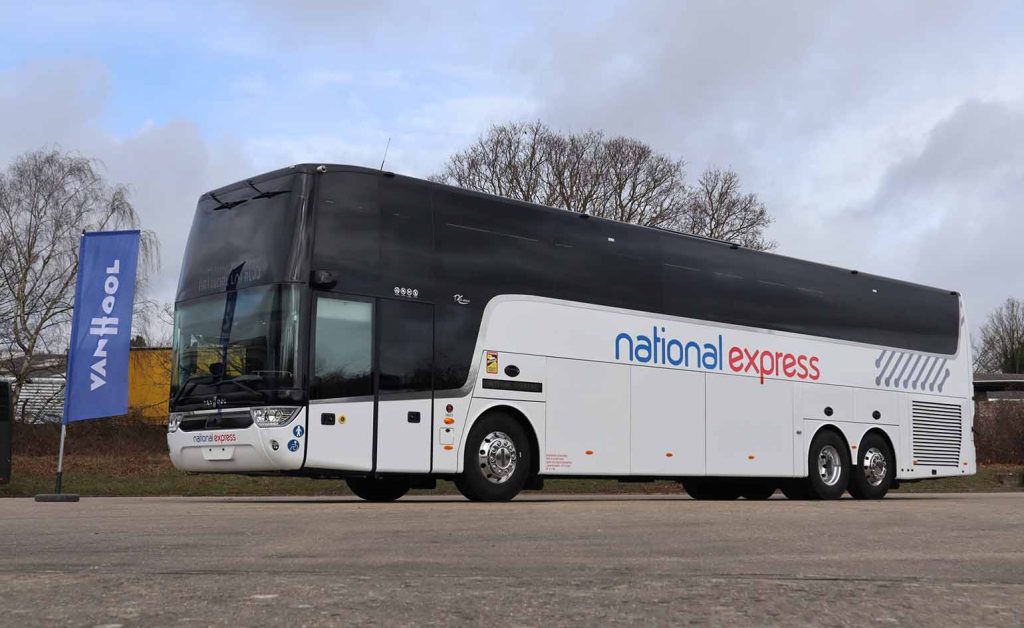
Budget-conscious travelers will be happy to know that buses and National Express coaches also serve the airport. Local buses head into the city, but they can take up to an hour depending on traffic. National Express connects the airport to other northern cities like Leeds, Liverpool, and Sheffield, which can be handy if Manchester is just your landing point.
I didn’t use the bus for my trip into town, but I did consider it for a day trip out. The fares are cheap, but unless you’re heading somewhere not served by the train, I’d say the train is the better bet for central Manchester.
4. Taxis and Ride-Sharing
For door-to-door convenience, taxis are plentiful outside the terminals. Expect to pay around £25–£35 for a ride into the city center, depending on traffic. Ride-sharing services like Uber and Bolt also operate at the airport, often coming in slightly cheaper.
On one rainy evening, I opted for an Uber. It cost me £28 and dropped me right at the hotel entrance, which felt worth every penny as I avoided juggling my suitcase through damp streets. If you’re traveling in a group, splitting a taxi fare can be surprisingly cost-effective compared to individual train tickets.
5. Car Rentals
Finally, for travelers planning to explore the Peak District, Lake District, or other northern gems, renting a car from the airport is a practical choice. The rental car village is a short shuttle ride from the terminals, and major companies like Hertz, Avis, and Enterprise have a strong presence here. Just remember that driving in Manchester city center can be tricky, with narrow streets and traffic zones, so a rental is best suited for those planning excursions outside the city.
Comparing the Options
To help you decide, here’s how the main options stack up:
- Train: Fastest, frequent, and affordable. Best for most travelers heading straight to the city center.
- Tram: Slower but more direct for certain neighborhoods. Scenic and easy to navigate.
- Bus/Coach: Cheapest but slowest. Useful for connections beyond Manchester.
- Taxi/Ride-share: Most convenient, especially with luggage, but more expensive.
- Car rental: Perfect for exploring beyond the city, less ideal for the city center itself.
Tips for a Smooth Arrival
After a couple of trips through Manchester Airport, I picked up a few small tips that can make a big difference:
- Download transport apps ahead of time. Trainline for trains, the Metrolink app for trams, and Uber or Bolt for ride-shares. Having them ready saves stress.
- Always check train schedules in real time. Engineering works sometimes cause changes, especially on weekends.
- Keep some small change. While most services accept cards, certain ticket machines or small buses may still require coins.
- Know your terminal. If you’re meeting friends or catching a connecting flight, make sure you’re clear which terminal you’re using. They’re walkable, but not right next to each other.
- Factor in weather. Manchester is famously rainy, and a damp arrival can make luggage-hauling miserable. If it’s pouring, a taxi might suddenly feel worth the splurge.
Flying into Manchester doesn’t have to be stressful—it can actually be part of the fun if you approach it with the right mindset. By understanding the rhythms of flight schedules, you can choose an arrival time that sets the tone for your trip. And by knowing your transport options, you can step off the plane and head into the city without hesitation.
My own arrival set the stage for the rest of my journey. The train whisked me into the city center in no time, and as I stepped out at Piccadilly, I felt ready to dive headfirst into everything Manchester has to offer: its music, its football, its food, and its vibrant street life. Whether you’re here for business, culture, or just a taste of northern hospitality, starting your trip with a smooth airport arrival makes all the difference.
Next time you’re booking a flight to Manchester, don’t just think about the ticket price. Think about the timing, the arrival experience, and how you’ll make that crucial first move from runway to city street. Trust me, a little planning here pays off in spades once you’re sipping your first coffee in the Northern Quarter or settling into a cozy pub near Deansgate.